What Are the Benefits of Access Mast Climbers in Construction?
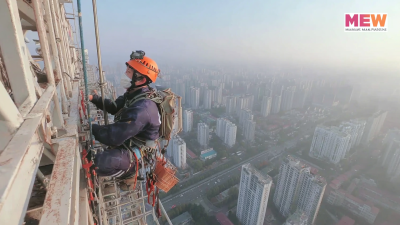
Access Mast Climbers have become pivotal in modern construction practices. According to a report from the Occupational Safety and Health Administration (OSHA), nearly 50% of construction-related accidents relate to falls. This highlights the importance of safe working platforms. Access Mast Climbers offer an elevated working space that enhances both safety and efficiency.
Industry data shows that using Access Mast Climbers can improve productivity by up to 30%. They allow for quicker movement of materials and workers across high-rise projects. This system easily adapts to various structures, making it ideal for diverse construction needs. However, reliance on this technology can make teams less versatile, as they may depend solely on mechanized solutions.
Access Mast Climbers also reduce the labor intensity associated with traditional scaffolding. This transition can lead to costs savings, yet it requires initial investment. Balancing these costs with potential benefits is essential for construction firms. Ultimately, the integration of Access Mast Climbers into projects can significantly enhance safety and operational effectiveness, but firms must continuously evaluate their use.
Benefits of Access Mast Climbers in Construction: An Overview
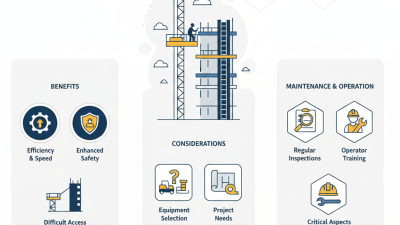
Access mast climbers are revolutionizing the construction industry. Their design enhances efficiency and safety. Workers can easily reach various heights, minimizing the risk of falls. This system increases productivity during projects by reducing downtime. With a stable platform, tasks can be performed smoothly, whether installing windows or conducting repairs.
One significant benefit is the versatility of mast climbers. They can be adjusted to fit different building designs. This flexibility allows for more complex projects without compromising safety standards. However, it's essential to ensure that operators are properly trained. Misusing the equipment could lead to accidents and project delays. Regular maintenance checks are vital to keep the climbers in peak condition.
Tips for using access mast climbers effectively include ensuring that the setup follows all safety guidelines. Inspect the equipment before each use. Conducting training sessions for the crew can enhance overall safety. Communication between team members is crucial. Encourage everyone to voice concerns or suggestions for improvement. This can create a safer and more efficient work environment.
Enhanced Safety Measures for Workers in Elevated Positions
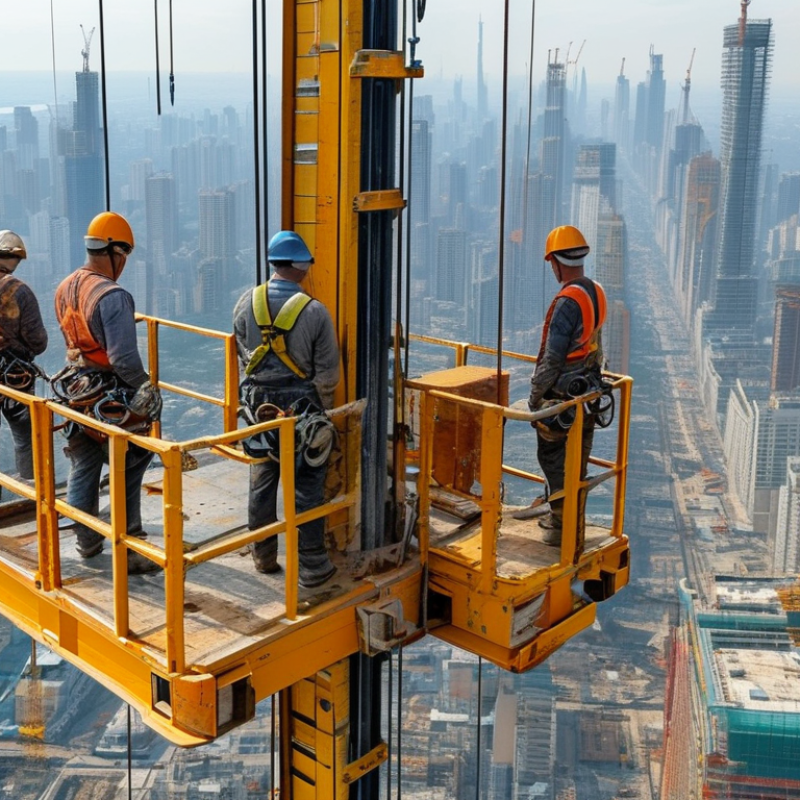
Access mast climbers have become essential in modern construction. They significantly enhance safety for workers operating at heights. According to the Occupational Safety and Health Administration (OSHA), falls from heights are the leading cause of construction fatalities. Using mast climbers reduces this risk by providing stable, secure platforms. Workers can perform tasks without the instability associated with ladders or scaffolding.
Despite these benefits, not all sites utilize mast climbers. Some companies still rely on outdated methods. A recent report by the Centers for Disease Control and Prevention (CDC) indicates that approximately 30% of construction workers reported safety concerns related to height work. This points to a need for improved safety measures. Mast climbers offer a solution, allowing for safer material handling and reducing the potential for accidents.
While adopting new technology poses challenges, the safety advantages are clear. Proper training is crucial for workers using mast climbers. Companies need to ensure that all team members are well-informed about equipment use. Investing in safety training can lead to more efficient operations and fewer incidents. In the long run, the benefits of enhanced worker safety outweigh the initial hurdles of implementing new equipment.
Increased Efficiency: Time-Saving in Vertical Construction Tasks
Mast climbers are gaining traction in the construction industry. They provide unique benefits, particularly in vertical construction tasks. One of the most significant advantages is their ability to save time. Traditional scaffolding methods often require a considerable amount of setup and teardown time. In contrast, mast climbers can be erected quickly, allowing workers to start tasks sooner.
With a robust platform, workers can transport materials efficiently. This reduces the need for multiple trips, which can delay a project. The portability of mast climbers makes them ideal for both new builds and renovations. They can adapt to various building heights and shapes, ensuring that no area is left difficult to access. However, not all construction sites are equipped with the necessary space for mast climbers, posing challenges.
Workers may also face a learning curve when operating these machines. Proper training is crucial for safety and productivity. Misuse can lead to costly errors and injury. These issues highlight the need for skilled operators and robust safety protocols. Despite these challenges, the efficiency provided by mast climbers makes them a worthy investment for modern construction projects.
Benefits of Access Mast Climbers in Construction
The chart above illustrates the key benefits of using access mast climbers in construction, showcasing the time saved in vertical tasks, increased reach, improvements in worker safety, and enhanced material handling efficiency. These factors contribute to overall enhanced efficiency in construction projects.
Cost-Effectiveness: Comparing Mast Climbers to Traditional Scaffolding
Mast climbers are making waves in the construction industry. They offer significant cost savings compared to traditional scaffolding. A 2021 industry report noted that mast climbers can reduce labor costs by up to 40%. This is primarily due to their speed of installation and ease of use.
The durability of mast climbers is another cost-effective factor. While initial investments might seem higher, their longer lifespan often outweighs the upfront costs. Another report indicated that maintenance costs for mast climbers are about 30% lower than for traditional systems. Fewer wear-and-tear issues result in fewer repairs and downtime.
Anecdotal evidence suggests that some contractors face confusion about the best choice for their project. In these cases, they may stick to traditional scaffolding. This can lead to missed opportunities for efficiency and cost savings. Projects might experience delays due to the complexities of setting up scaffolding. However, those who adopt mast climbers often report smoother operations and enhanced safety.
Flexibility and Adaptability: Meeting Diverse Project Requirements
Access mast climbers have transformed the construction landscape.
They offer flexibility and adaptability for various projects. These platforms can be customized to meet specific site requirements.
Workers can quickly adjust the height and position. This ensures efficient workflow on different building types.
In busy urban areas, mast climbers navigate tight spaces well.
They provide stable access to high-rise buildings. Their design allows teams to adapt to changes in project scope.
This includes sudden shifts in design or unexpected construction challenges. However, using these systems requires training.
Proper operation is key to ensure safety and efficiency.
Some projects may still face hurdles. Weather can impact accessibility and functioning.
Additionally, not all workers may be familiar with mast climbers. Regular training can mitigate these issues.
Nonetheless, embracing this technology can lead to improved productivity on diverse construction sites.