How to Ensure Compliance with Ansi Aerial Lift Standards?
Ensuring compliance with ANSI Aerial Lift Standards is crucial for workplace safety. According to the Bureau of Labor Statistics, aerial lift accidents account for a significant number of construction injuries annually. In fact, around 50 fatalities occur each year due to improper use of these lifts. This underscores the need for strict adherence to safety protocols.
Compliance with ANSI Aerial Lift Standards not only minimizes risks but also enhances operational efficiency. Companies that implement these standards report a 30% decrease in workplace accidents. This improvement reflects the importance of proper training and knowledge of equipment. However, many workers still lack adequate instruction and safety awareness, which can lead to tragic incidents.
Reflecting on compliance practices reveals room for improvement. Many organizations do not conduct regular safety audits. Some employees may overlook vital safety checks. This gap in adherence can have serious consequences. Investing in training and regular assessments is essential for upholding ANSI Aerial Lift Standards and protecting workers.
Understanding ANSI Aerial Lift Standards and Their Importance
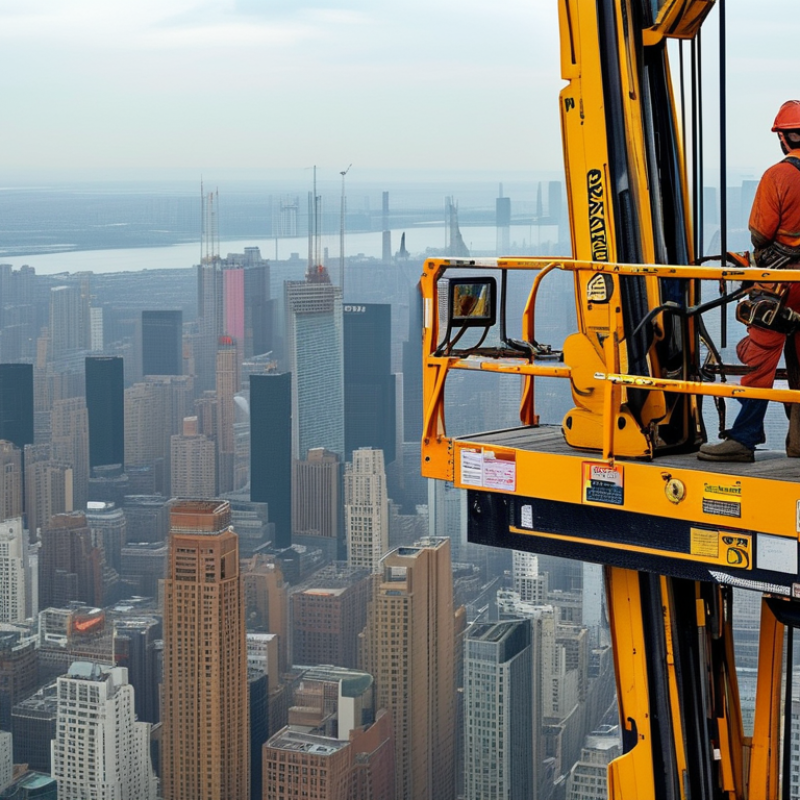
Understanding ANSI aerial lift standards is crucial for maintaining workplace safety.
These standards establish minimum safety requirements for equipment used in aerial work platforms.
According to a report from the Occupational Safety and Health Administration (OSHA), approximately
185 fatalities occur annually due to falls from aerial lifts.
This highlights the need for strict adherence to ANSI regulations.
Compliance with these standards helps to mitigate risks. ANSI standards ensure that operators receive proper training.
They address equipment specifications, stability, and operator ergonomics. Research indicates that companies implementing ANSI guidelines
see a 30% reduction in workplace injuries. Yet, many organizations still overlook
these safety protocols. Some operators may lack adequate training, increasing the likelihood of accidents.
In addition, regular equipment inspections are vital. Common issues can include hydraulic
failures or malfunctioning safety features. The American National Standards Institute emphasizes the importance of routine checks.
Despite this, many businesses delay maintenance. These oversights put workers at risk and can lead to costly legal consequences.
Increased awareness and commitment to ANSI standards can create safer work environments.
Key Compliance Requirements for Aerial Lift Operations
Aerial lifts are essential in various industries, but compliance with ANSI standards is crucial for safety. According to the American National Standards Institute, operators must understand equipment specifications and operational guidelines. Compliance ensures safety for both operators and bystanders.
Key requirements include proper training for operators and daily inspections. A report from OSHA indicates that 30% of aerial lift accidents are due to operator error. Therefore, training helps reduce these incidents. Daily inspections involve checking for mechanical issues or damage. Operators must document these inspections, reinforcing accountability.
Moreover, understanding load capacities is vital. Overloading an aerial lift can cause accidents. Studies show that exceeding the rated load capacity increases the risk of tipping by 75%. Operators should be mindful of these limits to maintain safety. Compliance involves a continuous commitment to safety practices, emphasizing critical thinking and proactive measures.
Compliance with ANSI Aerial Lift Standards
Steps for Implementing ANSI Compliance in Your Workforce
To ensure compliance with ANSI aerial lift standards, organizations must actively engage their workforce. Training plays a crucial role in this process. Research shows that nearly 70% of workplace accidents occur due to insufficient training. Regular workshops can enhance skills and raise awareness about safety protocols.
Implementing a robust inspection routine is vital. Perform daily checks on aerial lifts before use. Reports indicate that equipment failures can lead to severe injuries. By emphasizing frequent maintenance, employers promote a culture of safety. Documenting inspection results creates accountability, yet many organizations overlook this crucial step.
Open communication channels are essential. Encourage employees to report hazards or near misses without fear of repercussions. Foster a culture of feedback. Surveys reveal that companies with strong communication practices see a 25% reduction in accidents. Ensuring compliance is not just about meeting standards; it's about continually reflecting on workplace practices and improving them.
Regular Inspection and Maintenance Practices for Aerial Lifts
Regular inspection and maintenance practices are crucial for ensuring compliance with ANSI aerial lift standards. According to the American National Standards Institute, routine checks can reduce accidents significantly. Studies show that around 70% of aerial lift accidents occur due to equipment failure. Thus, a preventive approach can save lives and protect investments.
Inspecting aerial lifts weekly can be highly effective. Key components such as brakes, controls, and stability features should be checked thoroughly. A documented inspection process allows for accountability and traceability. Many firms fail to maintain this documentation, which can lead to compliance issues. It is essential to train staff on proper inspection protocols to minimize risks.
Maintenance schedules should not be overlooked. A survey conducted by the National Safety Council indicated that equipment not regularly serviced is 50% more likely to malfunction. Compliance with ANSI guidelines involves more than just a checklist; it requires a culture of safety and awareness. Regular training, along with effective maintenance practices, ensures that aerial lifts operate safely and efficiently.
Training Employees to Meet ANSI Standards for Safe Operation
Training employees to meet ANSI standards for safe operation is essential. It goes beyond just reading manuals. Hands-on training is crucial. Employees should practice in a controlled environment. This helps build their confidence and skills.
Regular training sessions can help reinforce safety protocols. Use real-life examples and scenarios. Discuss common mistakes and how to avoid them. Employees should feel comfortable asking questions. Open dialogue fosters a culture of safety. Encourage peer-to-peer training as well. This can enhance learning and create teamwork.
Evaluating employees' progress is necessary. Conduct assessments to identify areas needing improvement. Feedback should be constructive and actionable. Consider offering refresher courses regularly. Compliance is not a one-time effort; it is ongoing. Continuous learning ensures everyone remains proficient in their skills. This commitment to training strengthens overall workplace safety.