China Top 10 Elevated Work Platform Training Providers

China’s elevated work platform market is expanding across construction, warehousing, shipbuilding, and facility maintenance. With that growth, operator competence cannot depend on a certificate alone. Real safety appears in small actions: checking guardrails, testing emergency lowering, and identifying uneven ground before lifting.

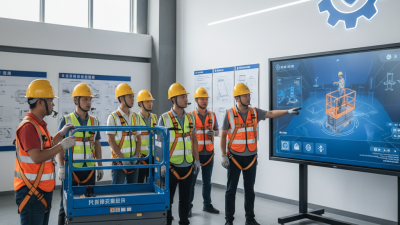
This guide introduces China’s top 10 Elevated Work Platform Training providers through practical and evidence-based criteria. We consider instructor experience, equipment access, course depth, assessment quality, refresher training, and documented safety procedures. Strong providers should cover scissor lifts, boom lifts, vertical mast platforms, and mobile elevating work platforms. They should also teach pre-use inspections, fall protection, battery charging, pedestrian control, and rescue planning. Practical sessions matter. A trainee should operate a machine, not only watch slides.

Peter Douglas, CEO of the International Powered Access Federation, has emphasized, “Training must be practical, current, and relevant to the equipment being used.” That principle guides this comparison. It also exposes an uncomfortable weakness: some programs may appear impressive online but offer limited hands-on practice. No provider is perfect. Course quality can vary by trainer, location, machine model, and class size. This guide therefore encourages employers to verify instructor credentials, training records, assessment methods, and equipment availability before enrollment. It also considers whether providers align with recognized industry standards and applicable Chinese workplace requirements. The ranking is a useful starting point, not a substitute for site-specific judgment. Safe lifting begins with preparation, but it improves through honest review.
China Top 10 Elevated Work Platform Training Providers

What Defines a Leading Elevated Work Platform Training Provider in China

China Top 10 Elevated Work Platform Training Providers

What Defines a Leading Elevated Work Platform Training Provider in China

A leading provider teaches more than joystick control. It builds safe decisions around real Chinese worksites. Trainees should inspect guardrails, tires, emergency stops, and battery compartments before operation. They should also identify uneven ground, overhead cables, fragile surfaces, and changing weather. Practical training matters. Classroom knowledge alone is weak evidence.

The 2024 Global Safety Report recorded 118 powered access fatalities in 2023. Falls from platforms, electrocution, overturns, and entrapment remained major hazards. The International Labour Organization also estimated nearly three million work-related deaths worldwide in 2023. These figures show why competent instruction must include hazard assessment, exclusion zones, rescue planning, and equipment limits. A credible provider uses current standards, trained instructors, documented assessments, and traceable refresher training.

Strong programs evaluate behaviour under pressure. Can an operator stop when wind rises suddenly? Can they explain why a machine must not cross a hidden floor opening? Can a supervisor verify training records before the shift begins? These details separate attendance from competence. I would still question any course promising mastery in one short session. Real work is messier. Assessment should include a pre-use inspection, controlled driving, elevated positioning, emergency lowering, and a witnessed rescue drill. Training records should identify the machine type, assessment date, instructor, and renewal trigger.

How China’s Top 10 Training Providers Compare

China Top 10 Elevated Work Platform Training Providers
How China’s Top 10 Training Providers Compare

China’s leading elevated work platform training providers differ less in classroom content than in practical control. Strong programs combine operator theory, pre-use inspection, fall protection, and emergency lowering drills. ISO 18878 recommends structured training for mobile elevating work platform operators. Yet delivery quality still varies between cities, instructors, and training yards.

A useful comparison starts with instructor competence and equipment access. The better providers offer realistic tasks, including uneven floors, narrow aisles, and simulated power loss. They record each learner’s inspection errors, not only final test scores.

IPAF’s Global Safety Report 2024 recorded 118 powered access fatalities worldwide in 2023. That figure makes rescue practice more than a checklist item. It should feel slightly uncomfortable.

Training records also separate the top ten. Reliable providers issue verifiable certificates, retain attendance logs, and reassess operators after incidents or long work gaps. Some programs provide only a short classroom session, which may satisfy paperwork but build weak habits.

China’s construction equipment market is expanding, according to industry research from the China Construction Machinery Association, increasing demand for consistent operator competence. However, ranking providers by price alone remains a mistake. Site-specific coaching, machine diversity, language clarity, and post-course support often matter more than a low fee.

No ranking is perfect; local delivery still deserves independent verification.

Training Programs, Certifications, and Equipment Covered

China’s top 10 elevated work platform training providers are often judged by more than classroom facilities. Strong programs combine theory, practical operation, equipment inspection, and workplace risk control. Training commonly covers scissor lifts, boom lifts, vertical mast platforms, and truck-mounted platforms.

A typical course explains load charts, platform limits, ground conditions, and safe travel routes. Trainees practice pre-use checks beside real machines, including tires, controls, guardrails, alarms, and emergency lowering systems.

Practical sessions should include narrow aisles, uneven surfaces, overhead obstacles, and controlled rescue drills. These details reveal whether training reflects actual job conditions.

Certification usually requires written testing and observed operating performance. Reliable providers keep attendance records, assessment results, equipment logs, and renewal reminders. Some also train supervisors, maintenance personnel, and instructors. Their maintenance modules may cover batteries, hydraulic leaks, safety interlocks, and fault reporting.

Instructor experience matters greatly. A certificate alone proves little. It can be issued after weak practice.

The better providers use clear assessment criteria and explain when an operator must stop work. They adapt lessons for construction sites, warehouses, factories, and rental fleets.

Refresher training helps address poor habits, especially rushed inspections and excessive platform movement. No program is perfect. Weather, language, machine age, and site layout can still reduce training quality. Buyers should review practical hours, equipment availability, instructor credentials, and post-course support before selecting a provider.

Safety Standards, Instructors, and Practical Training Methods

China Top 10 Elevated Work Platform Training Providers

Safety Standards, Instructors, and Practical Training Methods

Choosing among China’s leading elevated work platform training providers requires more than comparing course prices. Strong programs connect classroom instruction with recognized safety requirements, equipment inspections, emergency procedures, and site-specific risk control. Experienced instructors should explain load limits, platform stability, harness use, and safe movement near overhead hazards. Their lessons should reflect real work conditions, not only textbook diagrams.

Practical training reveals the provider’s true quality. Trainees should complete pre-start inspections beside an actual platform, checking tires, controls, guardrails, alarms, and visible hydraulic damage. They should practice positioning on uneven surfaces, communicating with ground staff, and responding to power loss. Practice matters. Instructors need to observe each movement closely and correct unsafe habits immediately. A written test alone is insufficient.

Reliable providers also document attendance, assessment results, equipment condition, and instructor qualifications. Clear records support internal audits and help employers identify refresher-training needs. However, no provider is perfect. Some courses may emphasize certification more than judgment, while some practical sessions feel rushed. That gap matters. Buyers should ask how trainers handle language differences, mixed experience levels, weather changes, and realistic rescue scenarios. A careful provider welcomes these questions and explains how training outcomes are verified after the certificate is issued.

How to Select the Right Chinese Training Provider for Your Needs

Choosing among China’s top elevated work platform training providers requires more than comparing course prices. Check instructor experience, equipment access, assessment methods, and post-course support. A credible provider should demonstrate practical training on scissor lifts, boom lifts, and emergency lowering systems. Ask for sample lesson plans and anonymised assessment records. Training should reflect the machines used at your site, not generic slides.

Safety data supports this careful approach. IPAF’s 2024 Global Safety Report recorded 118 powered access fatalities in 2023 across participating countries. Falls, entrapment, and electrocution remained major causes. A strong Chinese provider should therefore teach pre-use inspections, ground-condition checks, harness decisions, exclusion zones, and rescue procedures. Confirm whether instructors understand relevant Chinese requirements and can explain technical terms clearly in English when multinational teams attend. A polished classroom is not enough. I would still observe one practical session before signing a large contract. No provider is perfect, and that matters.

Tips: Compare at least three shortlisted providers. Request trainer certificates, machine specifications, student-to-instructor ratios, and refresher policies. Verify that practical tests use real equipment, uneven surfaces, and realistic site hazards. Keep attendance, test results, and expiry dates in a traceable system. If a provider avoids transparent answers, reconsider the shortlist. Cost matters, but weak assessment can create much higher operational risk.