How to Choose the Right Mobile Elevated Work Platform Types?
In today’s construction and maintenance sectors, choosing the right Mobile Elevated Work Platform Types is crucial. According to a 2023 industry report, the global demand for these platforms is projected to reach over $15 billion by 2025. This highlights their importance in improving safety and efficiency at height. With various types available, from scissor lifts to boom lifts, selecting the appropriate model can be challenging yet essential for project success.
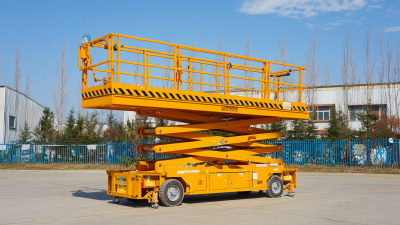
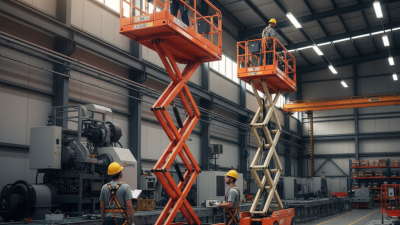
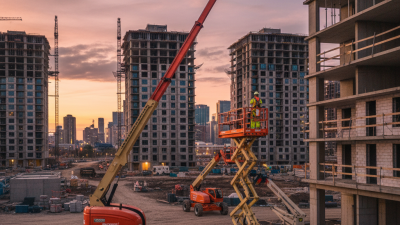
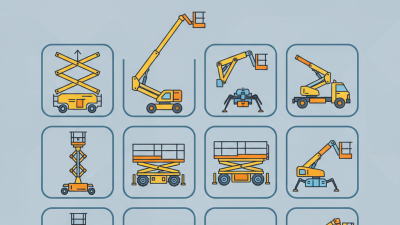
Each Mobile Elevated Work Platform type offers unique benefits. Scissor lifts are known for their stability on flat surfaces, making them ideal for indoor projects. Boom lifts, on the other hand, provide reach and flexibility. However, improper selection can lead to safety issues, increased costs, and project delays. Moreover, a recent survey found that 30% of companies underestimate the importance of platform choice, leading to regrettable mistakes in project execution.
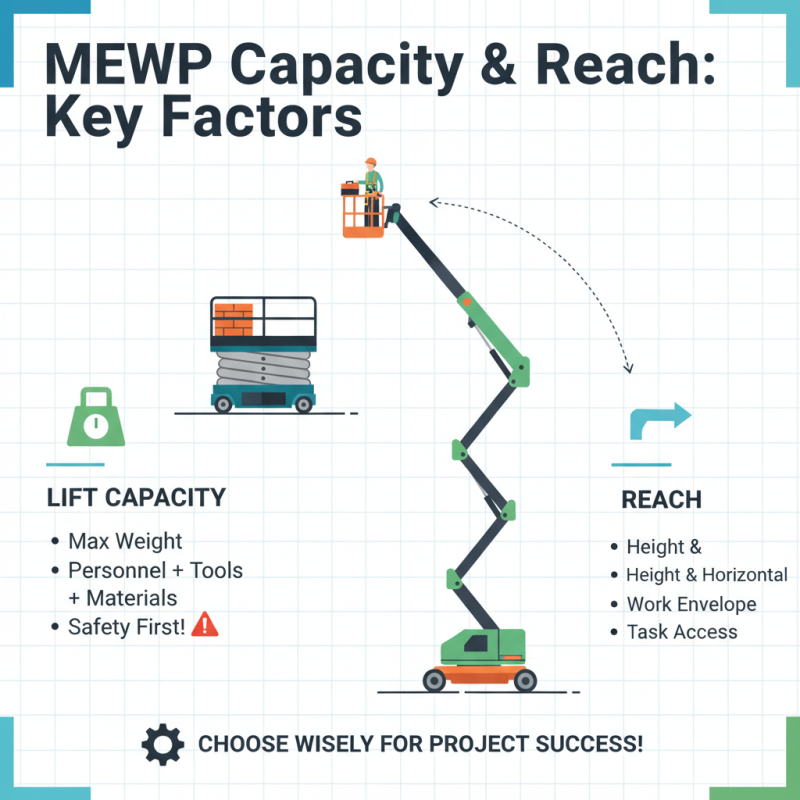
Understanding specific project needs and environment is vital. Factors such as site conditions, weight capacity, and maximum height should influence the decision. While advancements in technology have improved platform capabilities, there is still much to consider. Evaluating these elements carefully can lead to effective and safe work at heights.
Understanding Mobile Elevated Work Platforms (MEWPs) Types
Mobile Elevated Work Platforms (MEWPs) serve crucial roles across various industries. Understanding different types of MEWPs is essential for choosing the right equipment. A recent industry report noted that around 30% of workplace accidents occur due to improper equipment selection. Hence, choosing the right type can enhance safety and efficiency.
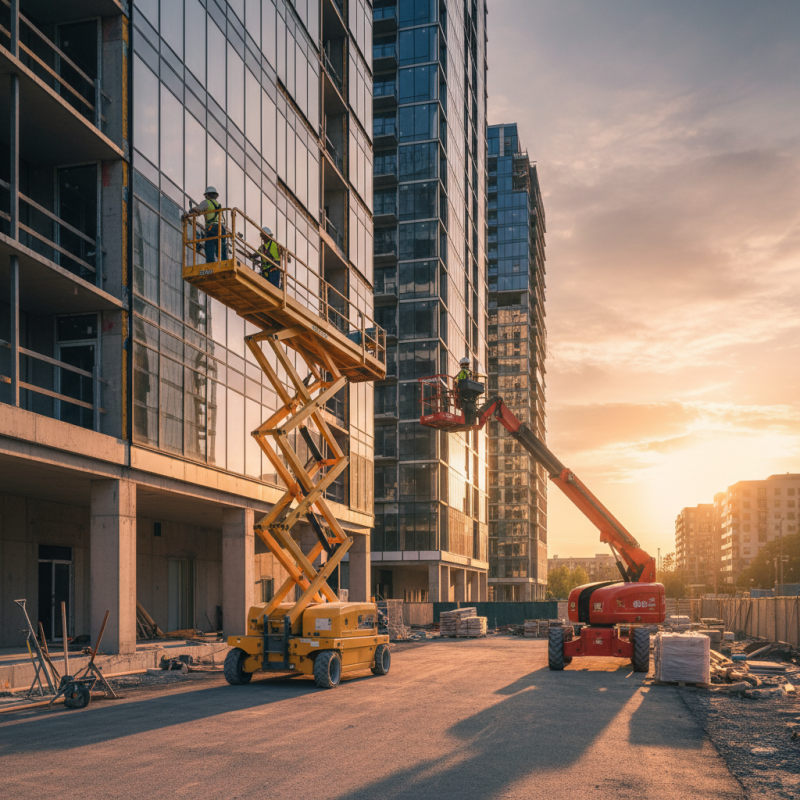
There are several types of MEWPs, such as boom lifts and scissor lifts. Boom lifts have flexible reach, suitable for outdoor tasks. They excel in areas requiring vertical and horizontal movement. Scissor lifts offer stability, ideal for indoor work with limited space. Both types serve distinct purposes and vary in height capabilities. An effective assessment is necessary to match the right MEWP with your task requirements.
Tips: Always evaluate the worksite environment. Conduct a thorough risk assessment. Understand the height and load requirements for your project. Simple errors in selection can lead to costly accidents. Training operators on proper usage can drastically reduce risks. Regular inspections of equipment ensure safety and reliability. Every choice impacts team performance and safety outcomes. Choose wisely.
Evaluating Your Specific Worksite Requirements
When evaluating your specific worksite requirements, consider the height and space available. Is your site indoors or outdoors? A narrow aisle might require a compact mobile elevated work platform (MEWP). Pay attention to the floor surface. Uneven ground may necessitate a model with stability features.
Next, think about the types of tasks you'll perform. Will you need to lift heavy equipment or just personnel? Each task demands a different approach. It's crucial to ensure the MEWP can support the load. Reflect on how many people will work simultaneously from the platform. Too many workers can lead to unsafe situations.
Finally, assess the height reach versus the required working height. Sometimes, extra height is tempting, but it can lead to instability. Make a list of potential candidates based on safety features and user feedback. Avoid rushing your decision. A little extra time spent evaluating can save you from costly mistakes later.
Mobile Elevated Work Platform Types and Their Utilization
This chart illustrates the usage frequency of different types of mobile elevated work platforms. Scissor lifts are the most commonly used, followed by boom lifts, reflecting the specific site requirements and tasks for which each type is best suited.
Comparing Safety Features of Different MEWPs
When selecting a mobile elevated work platform (MEWP), safety features are crucial. Different types of MEWPs offer varying safety options. For example, some platforms come with integrated emergency lowering systems. This feature can be essential in power failure situations. Operators should also consider guardrails, which protect workers from falls. Some platforms provide adjustable guardrails, enhancing safety during tasks at height.
Another important aspect is the presence of stabilization mechanisms. Outriggers can prevent tipping, adding an extra layer of security. Not all MEWPs have them, so their absence can be concerning. Moreover, the ground conditions at your site may affect stability. Checks are necessary to ensure the MEWP is safe to operate on uneven surfaces.
Training is essential but often overlooked. Operators must understand how to utilize the safety features effectively. A lack of training can lead to neglect of critical safety protocols. Regular inspections and maintenance also play a vital role. Familiarity with the specific safety features of a chosen MEWP can enhance overall safety. Choosing the right type means thoroughly evaluating these details before making a decision.
Considering Budget and Cost-Efficiency When Choosing MEWPs
When selecting a mobile elevated work platform (MEWP), budget considerations are crucial. Many often underestimate the total costs. It's not just about the purchase price. Maintenance, insurance, and training add hidden expenses. Evaluating these factors early can prevent overspending later.
Cost-efficiency also comes into play. Cheaper models may seem appealing. However, they can lack necessary features or have higher operating costs. Investing in quality can lead to savings over time. Reflecting on specific project needs is vital. What kind of jobs will you perform? How often will the MEWP be in use? This information can shape your decision effectively.
Additionally, remember to account for potential downtime. If a low-cost model breaks down frequently, it can lead to lost revenue. Assessing reliability alongside initial costs provides a clearer picture. It's important to weigh short-term savings against long-term value. Balancing these aspects requires careful thought and planning.